Live software demos for the U.S. Virgin Islands
Software built for a U.S. Virgin Islands business like yours.
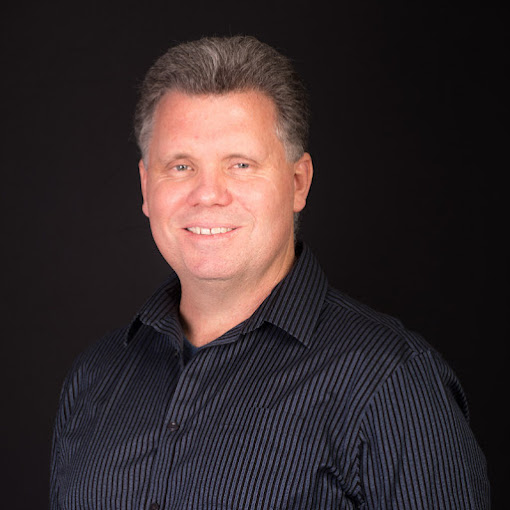
I am Brian Deeker, an independent software architect with 15 years building on .NET and Azure. I am working toward moving back to St. Croix to build this business in person. My mission is to bring real, purpose-built software to businesses across the U.S. Virgin Islands, the kind that's actually built around how an island business runs instead of a one-size-fits-all mainland product.
Pick a category below and step into a working product seeded with realistic data. Add a client, book an appointment, send a message. It's a real app, not a slideshow.
Built and maintained by Brian Deeker, an independent software architect serving businesses across St. Thomas, St. Croix, and St. John.
Boat Charter & Watersports
Charters, crew, and bookings for a boat charter or watersports outfit.
Explore demoDental Practice
Patients, hygiene visits, procedures, and billing for a dental office.
Explore demoLaw Firm & Professional Services
Matters, clients, and billing for a law firm or professional services office.
Explore demoMedical Practice
Patients, providers, and visits for a primary-care or specialty clinic.
Explore demoReal Estate Agency
Listings, showings, and clients for a residential real estate office.
Explore demoResort & Hospitality
Guests, bookings, and amenities for a boutique resort property.
Explore demoRestaurant & Bar
Tables, orders, and reservations for a restaurant or bar.
Explore demoRetail Boutique
Inventory, sales, and customers for a duty-free jewelry or apparel boutique.
Explore demoTrade Services
Jobs, technicians, and invoicing for an HVAC, plumbing, or electrical contractor.
Explore demoDon't see your industry? More categories are on the way — reach out and let me know what you would like to see.